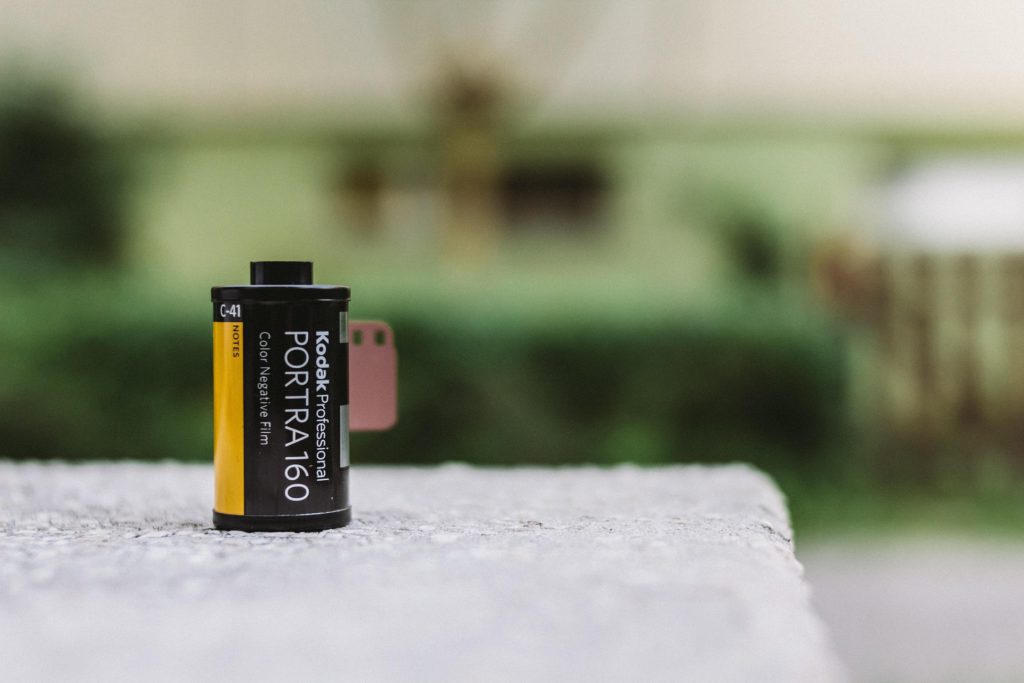
Australia’s analogue photography revival is placing renewed attention on camera film, with hobbyists, students and established creators reconsidering how different formats, sensitivities and colour profiles affect their final images. Specialist retailers are responding with broader stock ranges, clearer product information and services designed to help new buyers select suitable rolls without relying on trial and error.
The shift is also changing accessory purchases, as camera bags are increasingly chosen to protect compact bodies, spare rolls and light-sensitive supplies from heat, moisture and physical damage. Buyers assembling their first analogue kit are placing greater value on practical storage, particularly when travelling or shooting outdoors in unpredictable Australian conditions.
Demand for camera filters is developing alongside the market as photographers seek greater control over reflections, contrast and exposure during capture. These products are becoming part of more complete equipment purchases rather than optional additions considered only after a buyer gains experience.
Buyers Compare Formats and Image Characteristics
The growing market is encouraging buyers to look beyond camera bodies and consider the characteristics of the material loaded inside them. Colour reproduction, grain, contrast and sensitivity can vary considerably between products, affecting how a photograph responds to daylight, artificial lighting and movement.
Lower-sensitivity stock is generally associated with finer detail in bright conditions, while higher-sensitivity options provide more flexibility in reduced light. The trade-off can include increased grain, which some users actively choose for its distinctive visual character.
Colour-negative products remain a common entry point because they offer practical exposure latitude and are widely supported by processing laboratories. Black-and-white options appeal to users seeking greater control over contrast or access to home development, while transparency formats generally require more precise exposure.
Format is another significant consideration. The 35mm category remains accessible because compatible equipment is widely available and each roll provides a practical number of exposures. Medium-format systems offer larger negatives and additional detail but can involve higher equipment, processing and scanning costs.
For retailers, explaining these differences is becoming an important part of the sales process. Buyers are more likely to remain engaged when they understand how stock choice relates to lighting conditions, subject matter and intended output.
Supply and Processing Influence Purchasing Decisions
Availability continues to shape the market. Popular products may sell quickly after restocking, while less common formats can have irregular delivery schedules. Buyers are therefore paying closer attention to local supply before purchasing equipment tied to a specific format.
Processing access can be equally important. Customers with a nearby laboratory may choose development and scanning services, while those in regional areas must consider postal processing, turnaround times and safe handling during transit.
The quality of scanning can also affect the final result. Resolution, colour correction and file format determine how easily images can be edited, printed or published online. As a result, laboratories are increasingly providing tiered scanning options for casual users, social media creators and customers preparing larger prints.
Some photographers are moving towards home development, particularly for black-and-white material. This approach can reduce long-term processing costs but requires chemicals, storage containers, temperature control and a suitable working space.
These practical requirements are broadening the role of specialist stores. Retailers that provide processing guidance, storage advice and compatibility information can support customers beyond the initial sale.
Analogue Photography Reaches New Audiences
The broader return of analogue photography is being supported by younger creators who are discovering the medium through social platforms, independent publications and second-hand marketplaces. This phrase can be linked to a relevant Wikipedia page for historical and technical context.
For many new users, the attraction is not based solely on nostalgia. Limited exposures encourage more deliberate framing, while delayed results create a different process from immediate digital review. The physical negative also gives each photograph an original source that can be scanned or printed in different ways.
Professional and experienced photographers are also incorporating analogue equipment into selected projects. Portraits, editorial work, weddings and personal documentary series can benefit from the colour response and texture associated with certain stocks.
Digital workflows remain central to distribution. Once negatives are scanned, images can be edited, archived and published through the same channels used for digital photographs. The revival therefore complements modern production rather than replacing it.
Retailers Expand Education and Starter Options
Specialist sellers are developing more structured entry points for customers unfamiliar with analogue equipment. Starter kits may combine a tested body, standard lens, initial roll, cleaning tools and basic operating guidance.
Product pages are also becoming more detailed, with information covering sensitivity, exposure count, processing type and recommended conditions. Clear descriptions help buyers avoid ordering products that do not match their equipment or available laboratory services.
Workshops, photo walks and introductory processing sessions are supporting this education. These events give customers an opportunity to understand loading, metering and storage before investing in larger quantities of stock.
Second-hand equipment remains central to the category, but buyers are becoming more selective. Shutter accuracy, light seals, meter operation and lens condition can all influence results, making inspection and transparent grading important.
Retailers able to test equipment and explain its condition may command higher prices than unverified marketplace sellers. Buyers are often willing to pay more when the purchase includes reliable information, return options or access to servicing support.
Market Growth Depends on Practical Access
Continued growth will depend on stable supply, accessible processing and realistic pricing. Interest alone may not translate into sustained participation when buyers struggle to source suitable rolls or face long development delays.
The strongest retailers are likely to be those that treat the category as a complete system. Equipment, storage, processing and education all contribute to whether a new customer continues shooting after the first few rolls.
For buyers, the most practical approach is to confirm local availability and processing options before selecting equipment. Starting with a widely supported format can reduce costs and simplify the learning process.
Australia’s analogue revival is expanding the market for traditional photographic products, but its long-term strength will rely on dependable access and informed purchasing. As retailers improve supply and guidance, more photographers are expected to add this medium to their creative work.